Integrating Fingerprint Sensor Inputs with Secure Login Protocols in Mobile Battle Royale Games
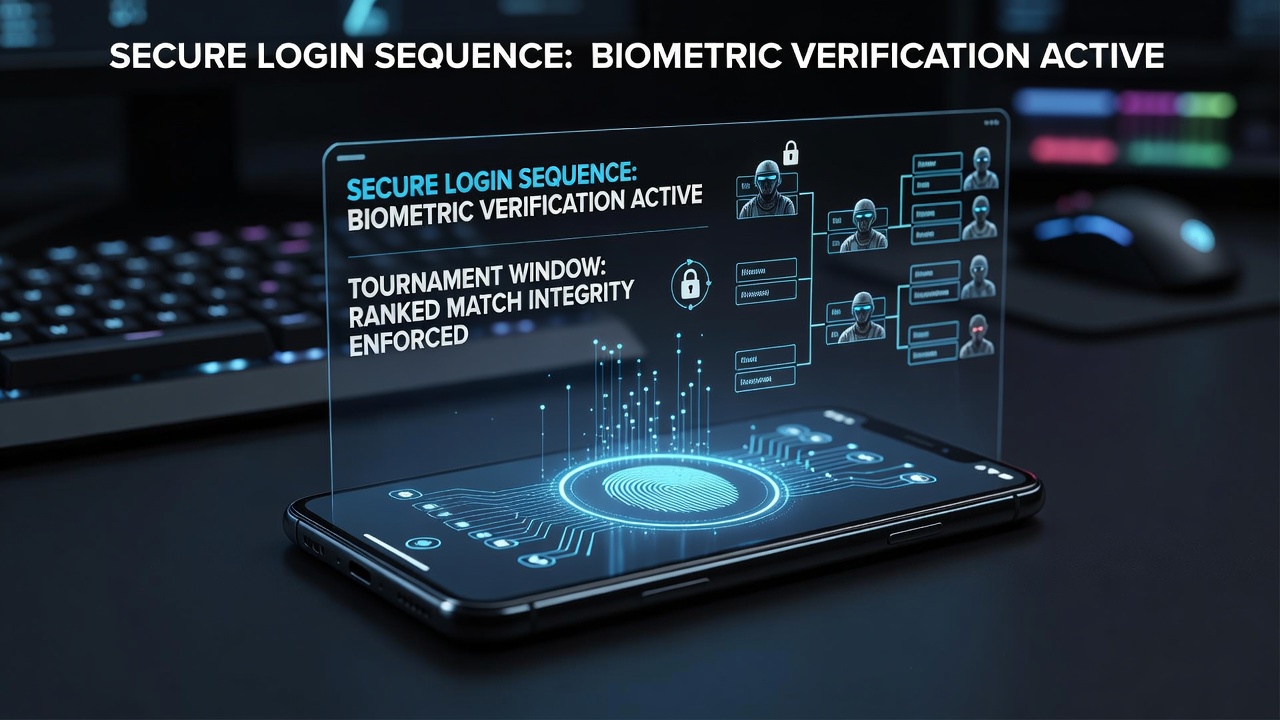
Developers have begun embedding fingerprint sensor inputs directly into login sequences for mobile battle royale titles, and this approach targets account sharing during ranked tournament windows where multiple players might otherwise access a single account. Game engines on Android and iOS platforms expose biometric APIs that allow titles to require a live fingerprint scan at session start, then tie that verification to ongoing match participation through token-based checks that refresh at set intervals.
Technical Foundations of Biometric Login Integration
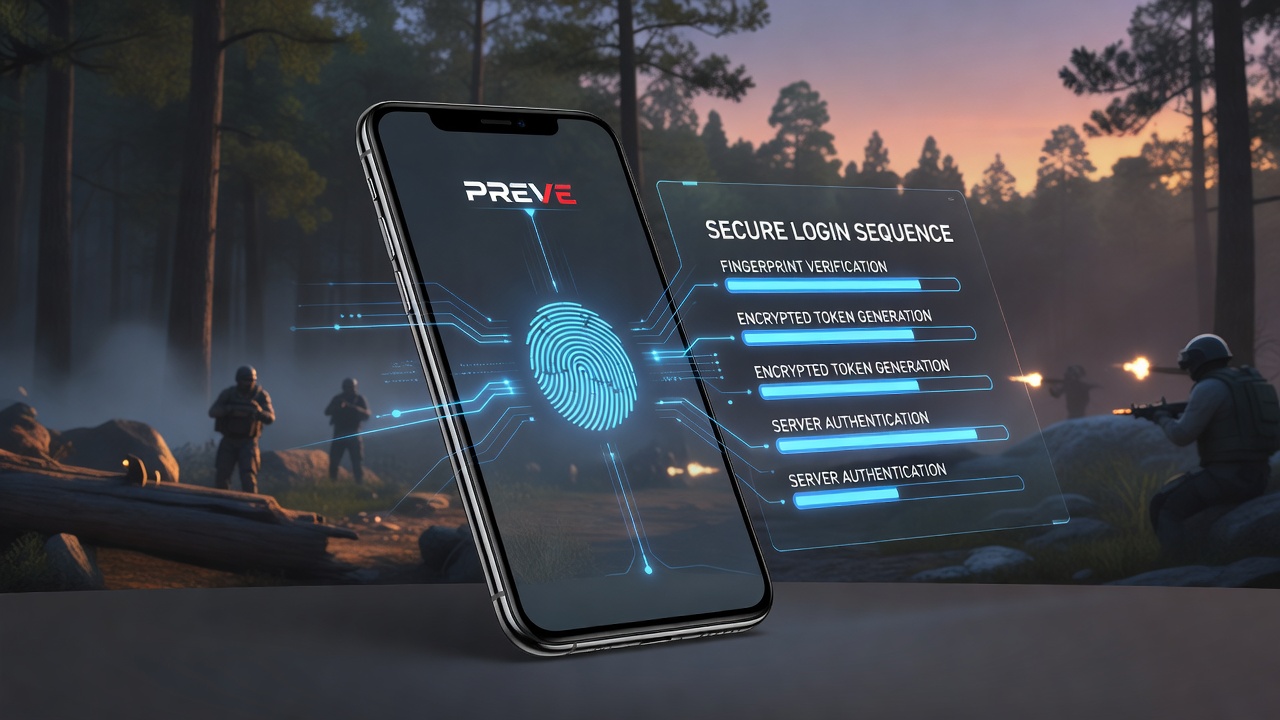
Android's BiometricPrompt class and iOS LocalAuthentication framework handle the sensor capture, after which the game client generates a cryptographic hash that the server compares against a stored template linked to the player's registered device. Researchers at several institutions have documented how these systems reduce unauthorized logins because the fingerprint data never leaves the device, while the server receives only a confirmation token that expires after a tournament round concludes. Data from the U.S. Cybersecurity and Infrastructure Security Agency shows that biometric methods cut credential-sharing incidents by measurable margins in consumer applications, and similar patterns appear in gaming environments where ranked leaderboards track individual performance.
Battle royale titles such as those running seasonal ranked ladders implement this by forcing a re-authentication prompt when the app detects a device change or when a player queues for a tournament match. The sequence combines the fingerprint scan with a device attestation check that verifies the hardware has not been rooted or jailbroken, thereby limiting the ability of one account to rotate across multiple handsets during a single event window.
Application in Ranked Tournament Structures
Tournament organizers schedule ranked windows that span several days, during which point multipliers and qualification brackets remain active. Linking fingerprint verification to each login prevents one player from handing off an account to a teammate for grinding matches overnight, because the biometric match must occur on the originally registered device. Observers note that titles adopting this method in 2025 reported fewer instances of account recovery requests tied to shared credentials, and the pattern continued into July 2026 when several regional circuits expanded their use of sensor-based gates ahead of global finals.
The implementation varies by title, yet most follow a common flow: the player registers a fingerprint once during account setup, then the game requires a scan at the start of each ranked session and again after any app backgrounding that exceeds a defined threshold. Servers log the verification timestamp alongside match telemetry, allowing administrators to flag anomalies such as rapid location shifts that would indicate device handover even if the fingerprint passes.
Player Experience and Device Compatibility Considerations
Players encounter teh fingerprint prompt as part of the normal queue process, and the scan completes in under two seconds on modern hardware. Compatibility extends across devices equipped with capacitive or ultrasonic sensors, while older models without hardware support fall back to PIN or pattern entry that carries stricter rate-limiting rules. Industry reports compiled by the Interactive Software Federation of Europe indicate that adoption rates for biometric logins in competitive mobile titles reached notable levels by mid-2026, driven by the need to maintain leaderboard integrity during high-stakes periods.
Edge cases arise when a player travels or switches networks, yet the system accommodates these through secondary checks that still require the original device and a fresh biometric confirmation. Developers publish guidelines that instruct users to re-register fingerprints after operating system updates, because sensor calibration changes can affect match accuracy.
Security Outcomes and Administrative Oversight
Administrators gain visibility into login patterns that reveal repeated verifications from the same account across short time spans, triggering manual reviews when thresholds are crossed. The approach does not eliminate all forms of account sharing, yet it raises the technical barrier enough that casual sharing becomes impractical during compressed tournament schedules. Figures released by the Canadian Centre for Cyber Security highlight how biometric gating in consumer apps correlates with reduced unauthorized access events, and parallel observations hold in gaming contexts where ranked integrity directly affects prize distribution.
Future iterations may incorporate additional signals such as facial recognition on devices that support it, but current deployments focus on fingerprint because of its balance between speed and widespread sensor availability. Tournament rulesets now reference these login logs as part of their dispute resolution process, allowing organizers to disqualify entries when biometric data shows inconsistencies with declared player identity.
Conclusion
Mobile battle royale titles continue to refine the connection between fingerprint sensors and login sequences as a direct response to account sharing risks in ranked tournament windows. The technical architecture relies on device-local processing and server-side token validation, while compatibility layers ensure broad device support. Data from regulatory and industry sources demonstrates measurable reductions in credential misuse when these systems operate at scale, and the July 2026 tournament cycle illustrated expanded deployment across multiple regions. Ongoing adjustments to verification intervals and fallback mechanisms keep the process aligned with both security requirements and player workflow.