Exploring Synchronization Protocols Between Wearable Devices and Mobile Fitness Simulation Games for Real-Time Progress Tracking
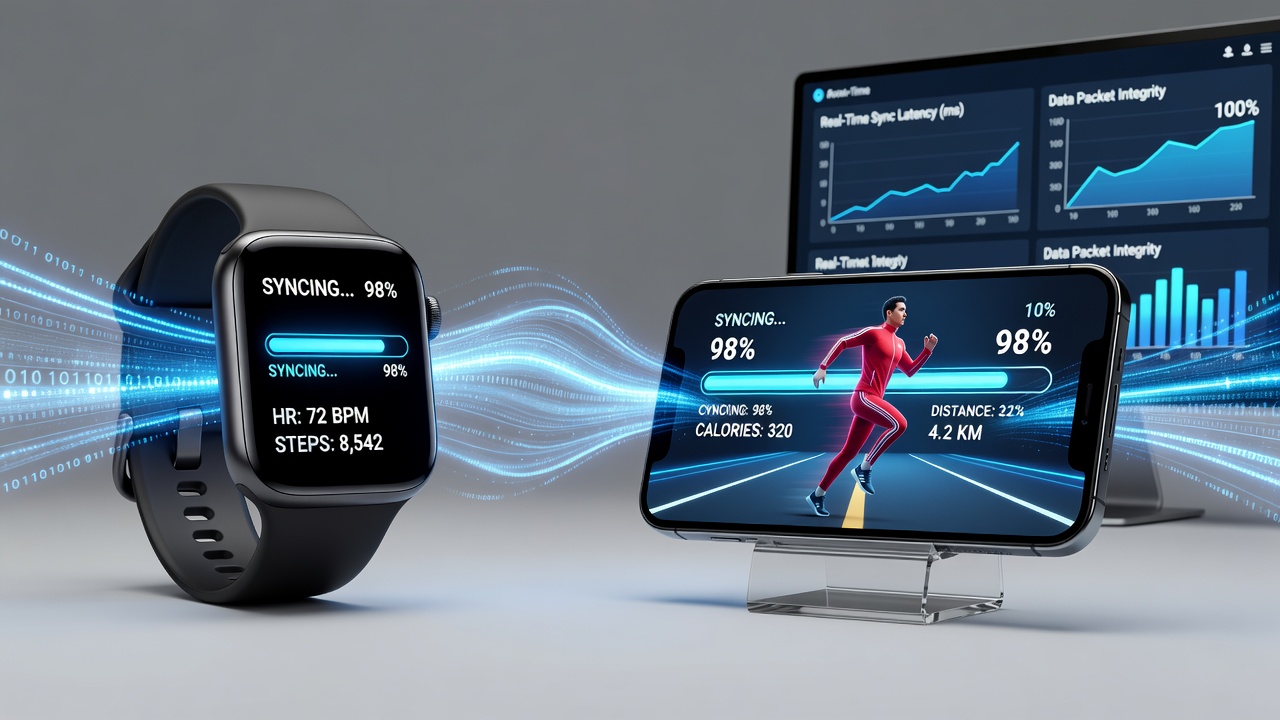
Developers and researchers continue to refine how wearable devices exchange data with mobile fitness simulation games, and these connections enable players to see live updates from physical activity reflected in virtual environments. Protocols handle everything from basic step counts to detailed heart rate streams, while maintaining low latency so game mechanics respond without noticeable delays. As of June 2026, several platforms have expanded support for multi-device pairing that lets users combine readings from chest straps, wrist trackers, and even smart rings into a single session log.
Core Communication Standards in Use
Bluetooth Low Energy remains the dominant choice for most consumer setups because it balances power efficiency with sufficient bandwidth for continuous data streams. The Generic Attribute Profile defines how services like heart rate and step counters broadcast information, and game developers map these characteristics directly to in-app variables such as stamina regeneration or virtual distance covered. Some titles supplement BLE with Wi-Fi Direct when larger data packets, including GPS route files or multi-minute activity summaries, need transfer without draining device batteries too quickly.
Protocol Layers and Data Formatting
Application-level code typically converts raw sensor packets into structured formats like JSON or Protocol Buffers before the game engine ingests them. This step allows consistent handling across different hardware vendors, and it supports features such as automatic calibration when a user switches between an older fitness band and a newer model. Observers note that standardized schemas reduce integration time for studios, especially when supporting both Android and iOS ecosystems simultaneously.
Real-Time Progress Mapping Techniques
Simulation games often translate incoming metrics into character attributes or environmental changes, and synchronization routines run on background threads to avoid interrupting gameplay loops. Heart rate zones might adjust difficulty curves on the fly, while accumulated steps unlock new training areas or equipment upgrades. Research from Canadian institutions has documented how timestamp synchronization between device clocks and server time prevents desync issues during extended play sessions that span multiple hours.
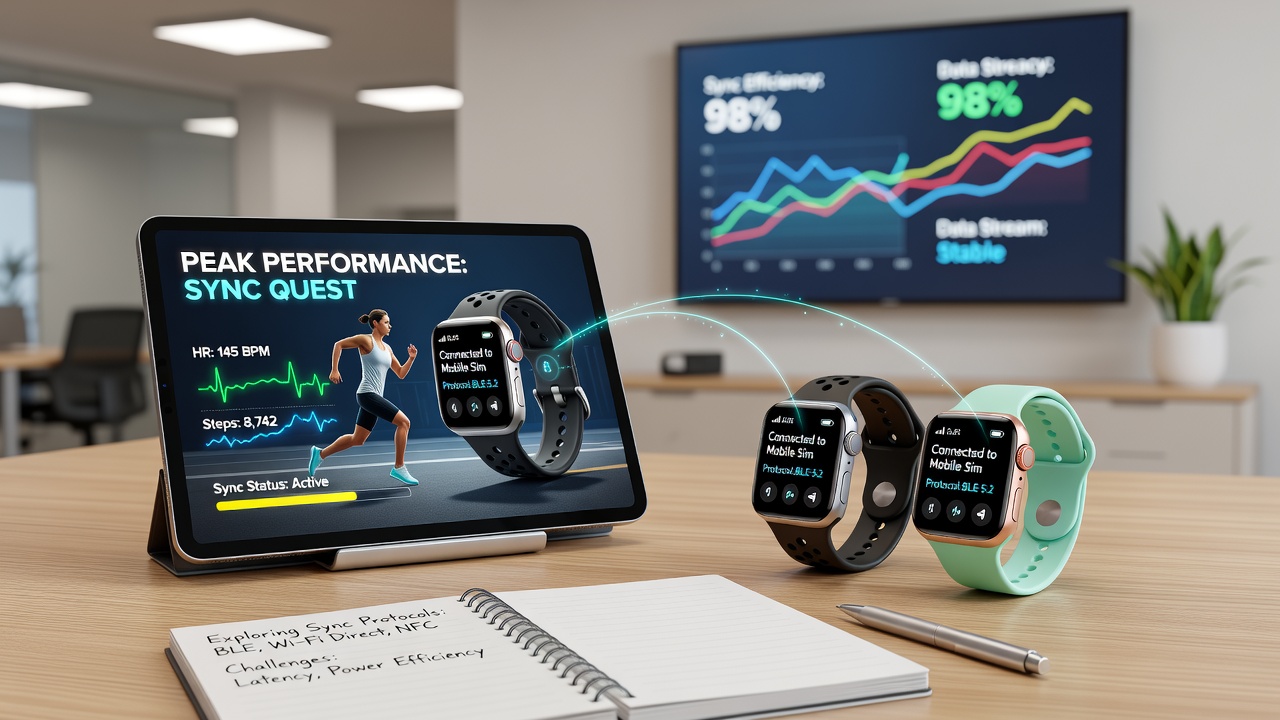
Security layers encrypt payloads during transit, and token-based authentication ensures only paired accounts receive updates. Industry reports indicate that end-to-end encryption adoption grew notably between 2024 and 2026 as regulatory expectations around health data tightened in multiple regions. Developers also implement fallback mechanisms that cache readings locally when network conditions fluctuate, then reconcile the data once connectivity returns.
Integration Challenges and Current Solutions
Different sampling rates across devices create reconciliation tasks for middleware, yet most modern frameworks now include adaptive buffering that smooths out inconsistencies before values reach the game logic. Battery optimization remains a priority because constant polling can shorten wearable runtime significantly, and techniques such as event-driven notifications rather than fixed intervals have become standard practice. One case study from European research groups showed a 30 percent reduction in power draw after switching to opportunistic syncing triggered by significant metric changes.
Cross-platform compatibility continues to improve through shared libraries that abstract hardware differences, and these tools let studios focus on game design instead of low-level protocol debugging. Data from the IEEE standards community highlights ongoing work on unified profiles that could further streamline future implementations across diverse device categories.
Emerging Developments Around Mid-2026
Ultra-wideband technology appears in select new wearables, offering centimeter-level positioning that simulation titles could use for more precise movement mapping inside virtual spaces. Early tests combine UWB with existing BLE stacks so legacy devices remain supported while newer hardware unlocks additional spatial features. Cloud-assisted reconciliation services also gained traction, allowing progress to persist across multiple game clients even when users switch phones or operating systems mid-session.
Academic work from Australian universities has examined latency thresholds that players tolerate before immersion breaks, and those findings guide protocol tuning in current releases. Integration with broader health platforms adds another dimension, since aggregated data can feed into medical dashboards while still powering game progression systems.
Conclusion
Synchronization protocols continue to evolve alongside hardware improvements and shifting player expectations, and the result is tighter coupling between real-world movement and virtual fitness outcomes. Continued refinement of data formats, security measures, and power management will shape how these systems operate in the years ahead, while maintaining compatibility across an expanding range of devices and game engines.