Exploring Cross-Platform Save Synchronization Protocols In Mobile Strategy Titles To Maintain Consistent State Across Multiple Devices During Extended Play Sessions
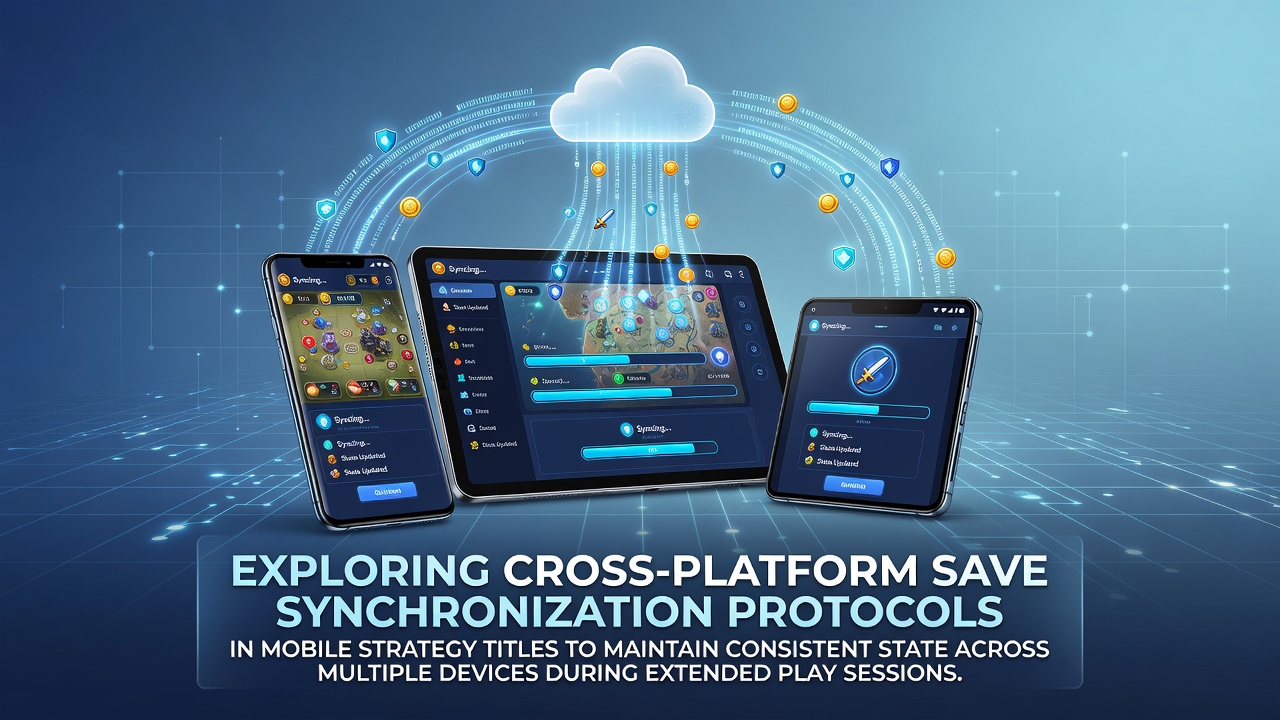
Cross-platform save synchronization has become a standard feature in mobile strategy titles, allowing players to maintain consistent game states across smartphones, tablets, adn other devices during long campaigns. Developers rely on established protocols that handle data transfer through cloud services while addressing latency, conflict resolution, and security concerns that arise in extended play sessions.
Core Synchronization Mechanisms
Many titles integrate with platform-specific cloud services such as Google Play Games Services and Apple Game Center, which provide APIs for saving and retrieving player data in real time. These systems use JSON-based payloads to transmit variables including resource counts, unit positions, and event timers, and they incorporate versioning tags that help detect when updates occur on separate devices. Custom server solutions from studios often layer additional logic on top of these foundations, using WebSocket connections for push notifications that alert clients to state changes without requiring constant polling.
Conflict Resolution Approaches
Simultaneous edits from multiple devices trigger conflict resolution routines that compare timestamps and apply rules such as last-write-wins or priority-based merging. In games where base-building and troop movements happen continuously, servers maintain authoritative copies of critical data while clients receive delta updates that minimize bandwidth usage. Research from the University of Waterloo indicates that timestamp granularity below 100 milliseconds reduces desync incidents by measurable margins in large-scale strategy environments.
Handling Extended Play Sessions
Long play sessions introduce additional variables because network conditions fluctuate and devices may switch between Wi-Fi and cellular connections. Protocols address this by implementing local caching that queues actions until connectivity returns, then reconciles those actions against the server state using idempotent operations that prevent duplicate effects. Data shows that games employing these queues experience fewer rollback events when players transition between devices mid-session, particularly in July 2026 when 5G coverage expanded in several metropolitan regions and reduced average latency for mobile strategy titles.
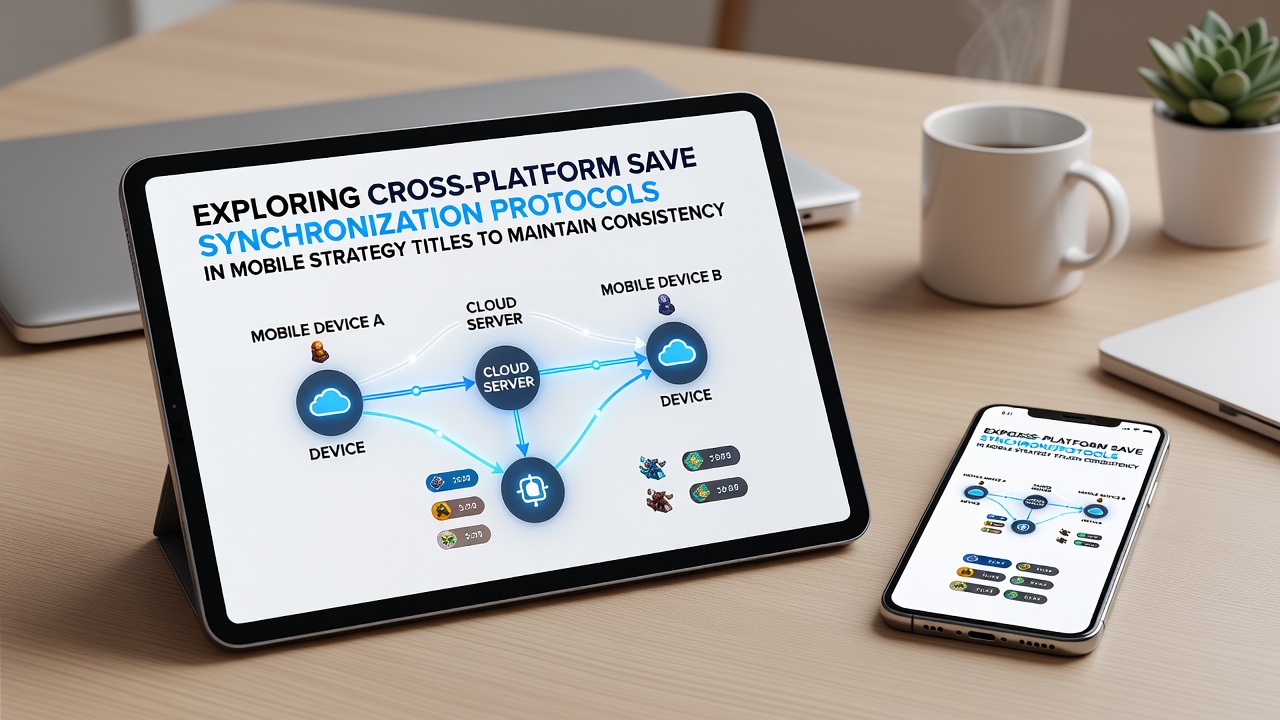
Observers note that titles such as certain real-time strategy releases maintain separate save slots for different device classes, allowing players to resume on a tablet with larger screen elements while preserving the same underlying campaign progress. This separation reduces visual scaling issues yet still requires the backend to enforce single-source truth for shared resources like alliance contributions or global event participation.
Security and Data Integrity Measures
Encryption standards protect save data in transit and at rest, with AES-256 applied to stored records and TLS 1.3 securing API calls. Studios also deploy checksum verification and digital signatures that let servers reject tampered payloads before they affect other players. According to reports from the Entertainment Software Association, these measures have helped lower account compromise rates across mobile strategy categories over recent years.
Device fingerprinting further strengthens integrity by associating saves with specific hardware profiles, which limits unauthorized transfers while still permitting legitimate cross-device use through authenticated accounts. When a new device appears, the protocol prompts for verification steps such as two-factor codes before granting access to the synchronized state.
Performance Considerations Across Regions
Regional server distribution plays a role in maintaining responsiveness, with data centers in North America, Europe, and Asia-Pacific handling localized traffic to keep round-trip times low. Studies from the European Games Developer Federation highlight that titles routing synchronization traffic through nearby nodes see improved consistency during peak evening hours when player activity spikes. Bandwidth optimization techniques, including compression of save deltas and selective transmission of only changed fields, keep data costs manageable for users on metered connections.
Conclusion
Cross-platform save synchronization protocols in mobile strategy titles combine cloud APIs, custom servers, and conflict-handling logic to deliver uninterrupted progress across devices. These systems continue to evolve with improvements in network infrastructure and security practices, supporting the demands of extended play sessions while preserving state consistency for millions of players worldwide.