Decoding Touch Input Latency Compensation Methods in Mobile Fighting Games for Frame-Perfect Combo Execution and Tournament Viability
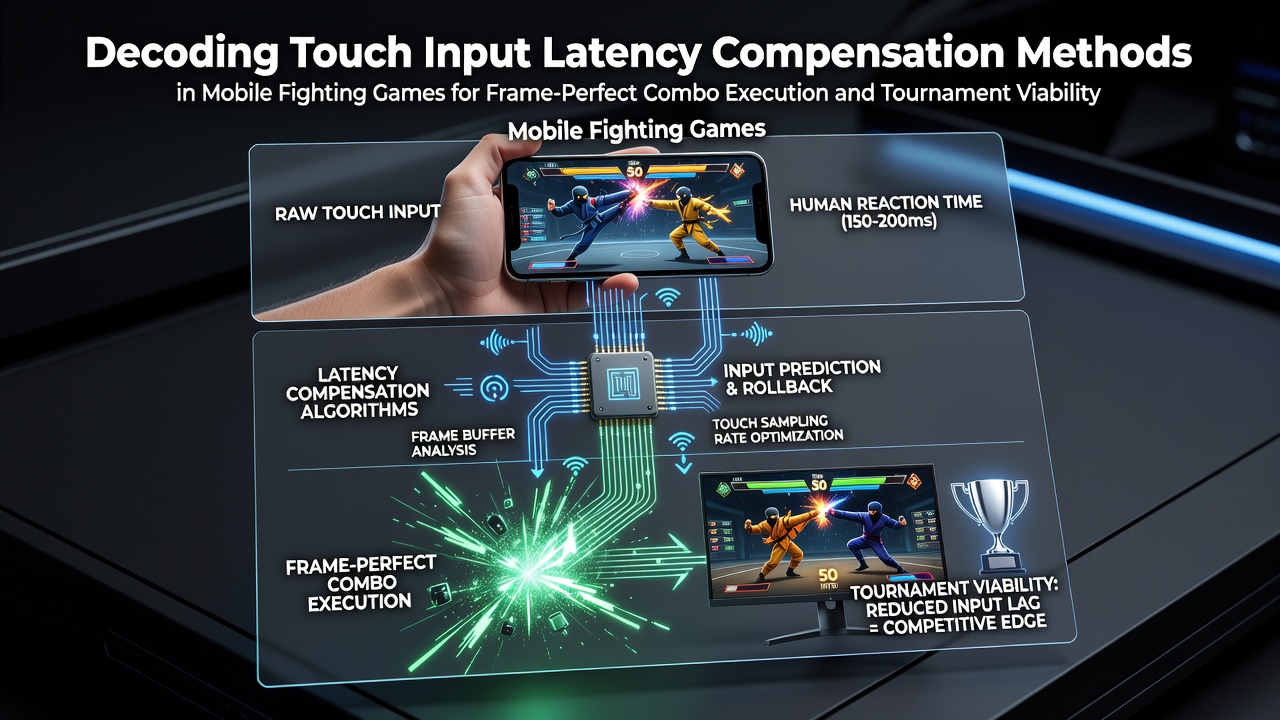
Touch input latency compensation in mobile fighting games involves a range of technical approaches that adjust for delays between player actions on screen and the game's response, and these methods directly affect the timing required for frame-perfect combos where each input must align with specific animation frames to succeed.
Developers implement client-side prediction systems that anticipate player touches based on recent input patterns, while server reconciliation later corrects any discrepancies that arise from network conditions or device processing times.
Core Compensation Techniques in Mobile Fighting Titles
Input buffering stands as one primary method where the game stores touch events for several milliseconds and processes them in alignment with the internal frame clock, yet this approach requires careful calibration to avoid overcompensation that shifts combo windows unpredictably.
Researchers at the University of California have documented how predictive algorithms use gyroscope and accelerometer data from mobile devices to refine touch registration timing, and their findings show reduced effective latency in titles that integrate sensor fusion with standard touch handling.
Another technique relies on adaptive tick rate adjustments that scale the game's simulation speed according to detected device performance, so players on varied hardware experience more consistent input windows during rapid sequences.
Frame-Perfect Combo Execution Requirements
Frame-perfect combos demand that each successive input registers within a narrow window often measured in single frames at 60 frames per second, which translates to roughly 16.67 milliseconds per frame, and latency compensation must preserve this precision rather than smoothing it away.
Studies from the IEEE Computer Society indicate that effective compensation preserves the original input timing data while applying offsets only after the fact, allowing competitive players to practice against known compensation models and achieve consistent execution across sessions.
Device-specific calibration routines appear in several current mobile fighting platforms where players complete a short touch sequence at the start of each match, and the system then applies tailored offsets that account for screen refresh rates and touch sampling frequencies.
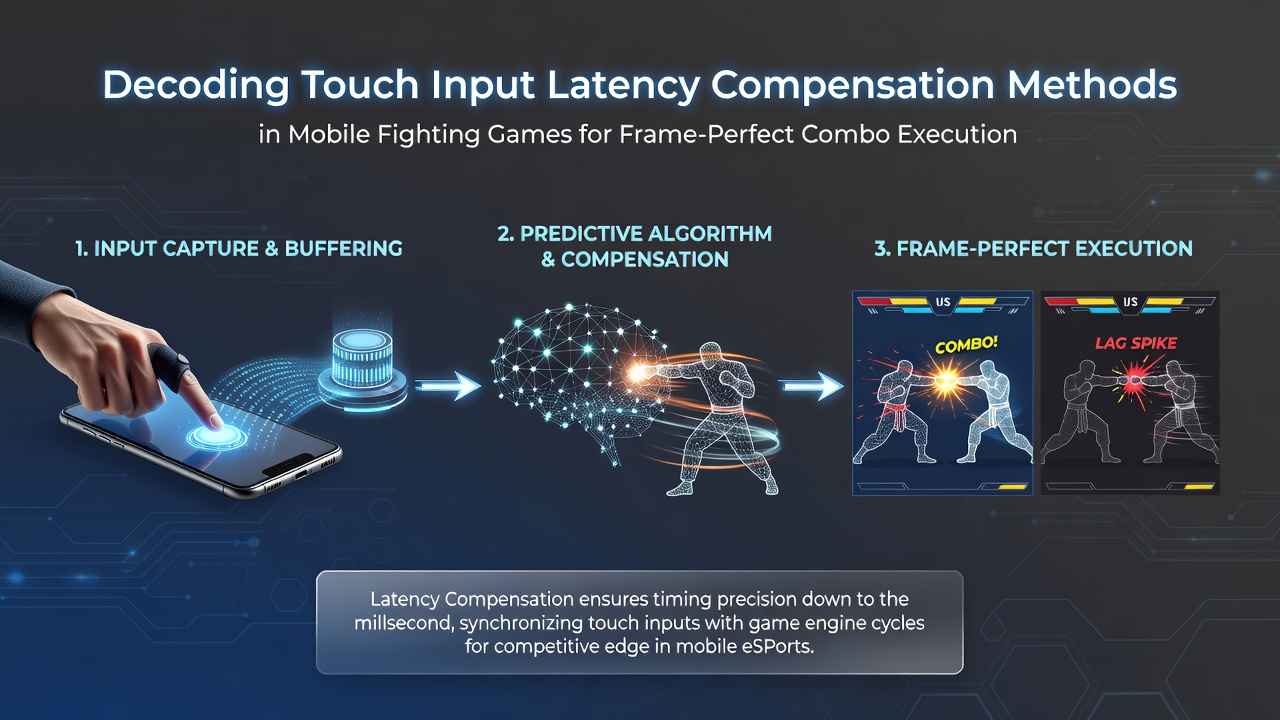
Observers note that compensation layers sometimes introduce visual feedback indicators such as subtle input confirmation markers, yet these elements must remain minimal to prevent distraction during high-speed play where players focus on character animations instead.
Tournament Applications and Viability Factors
Tournament organizers in June 2026 began requiring standardized compensation profiles for mobile fighting game brackets after data from prior events revealed that uncalibrated devices created measurable differences in combo success rates among competitors using different hardware.
Industry reports from the Entertainment Software Association highlight how professional circuits now include device certification steps that verify latency compensation behaves uniformly, and these protocols reduce disputes over whether a missed input stemmed from player error or technical variance.
Players who train with emulated compensation environments often record higher consistency in live settings because they develop muscle memory that accounts for the adjusted timing rather than raw device response.
External factors such as wireless interference and battery-saving modes can still override built-in compensation, so event staff monitor network conditions and enforce device settings that maintain stable input handling throughout matches.
Integration of Multiple Compensation Layers
Modern implementations combine several methods simultaneously where client prediction handles immediate touch registration, server reconciliation corrects longer-term drift, and post-match analysis tools allow players to review input logs against compensated outcomes.
Those who examine professional play footage frequently identify patterns where top competitors pause briefly before certain inputs to align with the compensated frame windows rather than attempting raw timing that the system would otherwise shift.
Updates released in mid-2026 for several established mobile fighters refined how compensation interacts with special move buffers, resulting in more predictable windows for complex chains that previously suffered from occasional desync under high-latency conditions.
Conclusion
Compensation methods for touch input latency continue to evolve as mobile fighting game developers refine their approaches to maintain frame-perfect execution standards across diverse hardware, and tournament circuits adapt their rules to ensure these technical elements support rather than hinder competitive fairness. Data from ongoing research and event monitoring provides the foundation for further adjustments that keep input handling consistent while preserving the skill-based nature of combo timing.